
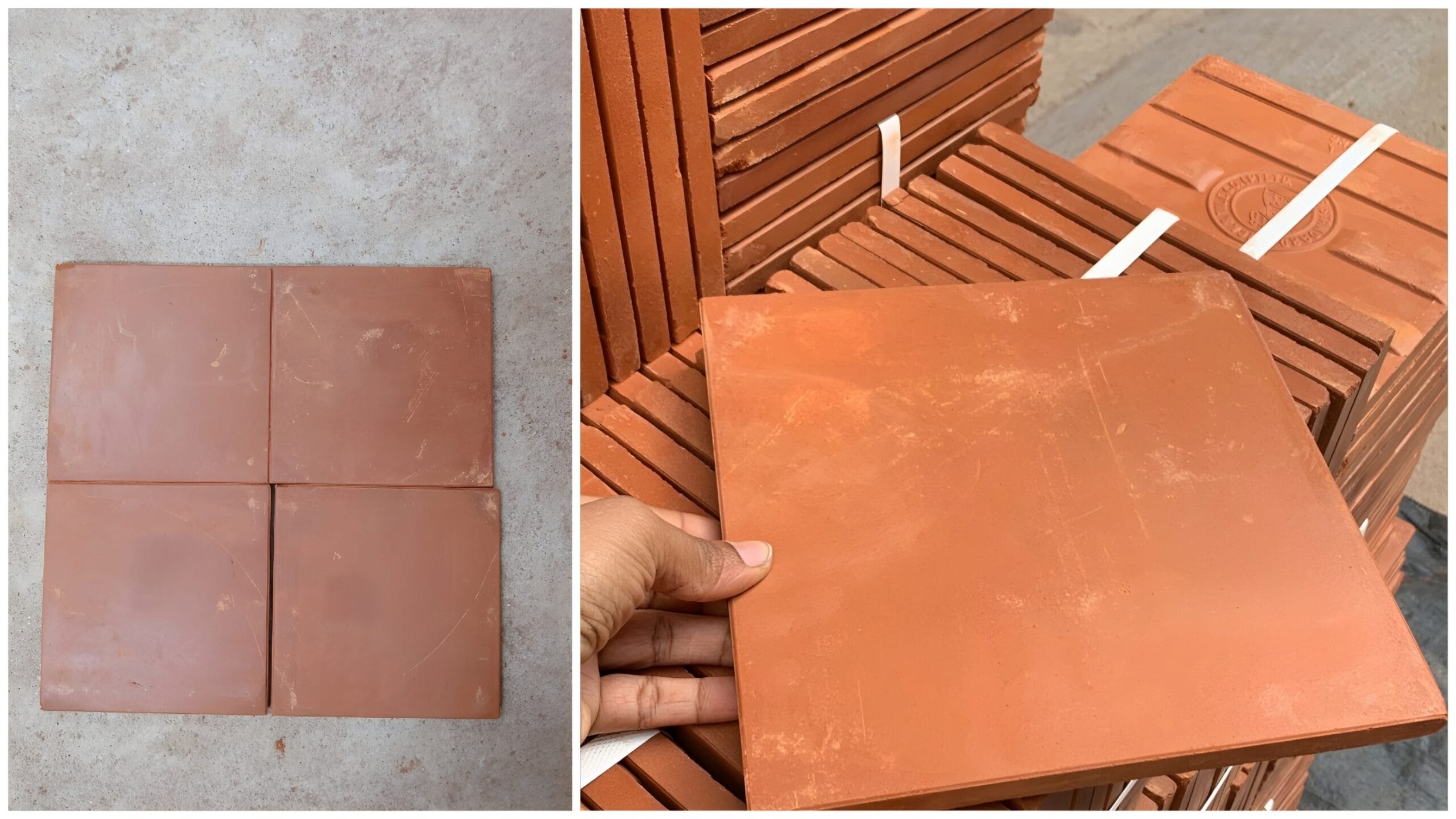

Modern buildings are expected to provide more than just shelter. Homeowners, architects, builders, and commercial property owners now look for roofing and terrace solutions that offer durability, comfort, energy efficiency, and visual appeal. One material that has remained relevant for centuries while continuing to meet modern construction demands is natural clay. Clay terrace tiles, often referred to as terracoat tiles or terracotta terrace tiles, are increasingly being chosen for homes, villas, resorts, schools, commercial buildings, and institutional projects because they combine timeless beauty with practical performance.
Unlike conventional flooring materials that absorb and retain excessive heat, clay tiles are naturally designed to regulate temperature. Their porous composition allows heat to dissipate more effectively, helping reduce the surface temperature of terraces. This simple yet effective characteristic makes clay terrace tiles especially valuable in regions with hot climates where rooftops are exposed to direct sunlight throughout the day.
Terracoat tiles are manufactured using carefully selected natural clay that is shaped, dried, and fired at high temperatures. This firing process enhances the tile’s strength while preserving its natural properties. The result is a flooring material that is durable, weather-resistant, environmentally friendly, and aesthetically pleasing.
Whether you are constructing a new home or renovating an existing terrace, clay tiles offer a practical long-term investment. They improve comfort, reduce maintenance requirements, and contribute to a more sustainable building environment.
What Are Clay Terrace Tiles?
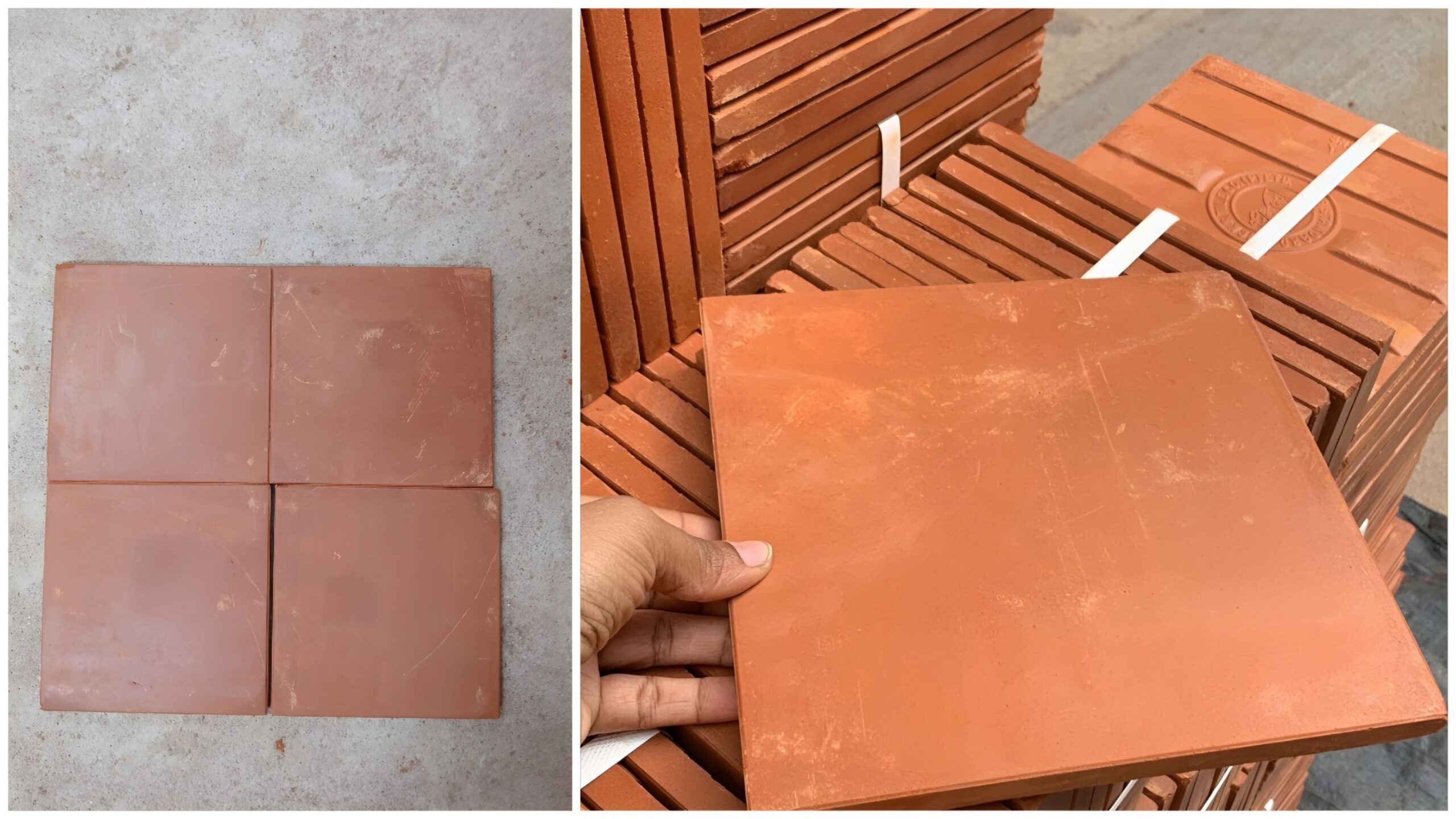
Clay terrace tiles are flat flooring tiles manufactured from high-quality natural clay. The clay is processed, moulded into uniform shapes, dried under controlled conditions, and then fired inside high-temperature kilns. During firing, the clay transforms into a hard ceramic material that possesses excellent mechanical strength and weather resistance.
Unlike synthetic flooring products, clay tiles are made primarily from natural earth materials without relying heavily on chemical additives. Their earthy reddish-brown appearance comes naturally from the minerals present in the clay rather than artificial colouring agents.
These tiles are widely installed on:
- Residential terraces
- Independent houses
- Apartment rooftops
- Villas
- Farmhouses
- Schools
- Hospitals
- Hotels
- Commercial buildings
- Resorts
- Outdoor walkways
- Courtyards
- Garden pathways
Their natural appearance blends beautifully with both traditional and contemporary architecture.
Understanding Terracoat Tiles
The term “Terracoat Tiles” generally refers to specially manufactured clay terrace tiles that are designed to improve rooftop performance. While they maintain the classic appearance of terracotta, they are engineered to provide enhanced durability, weather resistance, and thermal insulation.
Terracoat tiles are often selected because they offer:
- Better surface cooling
- Reduced heat transfer
- Long service life
- Attractive appearance
- Minimal maintenance
- Eco-friendly construction
They are suitable for both residential and commercial projects where long-term performance is important.
Why Clay Tiles Are Ideal for Terraces
The terrace is one of the most exposed parts of any building. Throughout the year, it experiences intense sunlight, rain, dust, temperature fluctuations, and foot traffic. Therefore, the flooring material installed on terraces must be capable of handling these changing conditions without losing its structural integrity.
Clay terrace tiles perform exceptionally well because they naturally resist many environmental challenges.
Their thermal properties help reduce heat absorption, making rooftop spaces significantly more comfortable during hot afternoons. Furthermore, they remain stable under varying weather conditions and require relatively little maintenance compared to many alternative materials.
Natural Cooling Performance
One of the biggest reasons homeowners choose clay terrace tiles is their cooling ability.
Concrete terraces absorb enormous amounts of solar heat during the day. That stored heat gradually transfers into the rooms below, increasing indoor temperatures and forcing air conditioners to work harder.
Clay behaves differently.
Because clay contains microscopic pores, it slows down heat transfer. Instead of rapidly absorbing and releasing heat, it provides a natural insulating effect. This helps maintain lower terrace surface temperatures and contributes to a more comfortable indoor environment.
Although the exact temperature reduction depends on factors such as installation method, climate, ventilation, and roof construction, properly installed clay terrace tiles can noticeably improve thermal comfort.
Eco-Friendly Building Material
Sustainability has become a major consideration in today’s construction industry.
Clay terrace tiles support environmentally responsible building practices because they are manufactured from naturally available raw materials. They require fewer synthetic chemicals during production and have a long operational life, reducing replacement frequency.
Some environmental benefits include:
- Made from natural clay
- Low environmental impact
- Long service life
- Recyclable material
- Reduced cooling energy demand
- Minimal chemical content
Choosing clay tiles contributes to greener construction while reducing dependence on artificial roofing materials.
Elegant Natural Appearance
A terrace is more than just the roof of a building. It often serves as an outdoor living area where families relax, entertain guests, or create rooftop gardens.
Clay tiles provide a warm, earthy appearance that enhances architectural beauty.
Their natural reddish colour complements:
- Traditional homes
- Modern villas
- Heritage buildings
- Luxury resorts
- Courtyard houses
- Eco-friendly residences
Unlike painted surfaces that may peel or fade, the natural colour of fired clay remains attractive for many years.
Excellent Durability
High-quality terracoat tiles are manufactured under carefully controlled firing conditions that increase their mechanical strength.
Once installed correctly, they can withstand:
- Daily foot traffic
- Seasonal weather changes
- UV exposure
- Rainfall
- Temperature fluctuations
- Normal residential use
Their long lifespan makes them a cost-effective flooring solution over time.
Weather Resistance
Outdoor flooring must perform reliably during every season.
Clay terrace tiles are designed to resist:
Heavy Rain
Proper installation ensures efficient drainage while protecting the terrace surface.
Summer Heat
They continue performing effectively under prolonged sun exposure.
Wind
Properly bonded installations remain stable even under challenging weather conditions.
Seasonal Changes
Expansion and contraction are relatively well controlled when installed using appropriate construction practices.
Comfortable Walking Surface
Many conventional terrace materials become extremely hot under direct sunlight.
Clay tiles generally remain more comfortable to walk on because they absorb less heat than dense concrete surfaces. This improves the usability of rooftops during warm weather.
Many homeowners appreciate being able to enjoy their terraces without experiencing excessive surface temperatures.
Slip Resistance
Safety is an important consideration for outdoor flooring.
Many clay terrace tiles feature a surface texture that improves grip under both dry and slightly wet conditions. While no flooring is completely slip-proof, quality terracoat tiles can provide better traction than highly polished materials.
This makes them suitable for:
- Residential terraces
- Outdoor seating areas
- Walkways
- Garden paths
- Rooftop activity zones
Low Maintenance Requirements
One advantage of clay terrace tiles is their simple maintenance routine.
Regular care usually involves:
- Sweeping away dust
- Washing with clean water
- Occasional gentle cleaning using mild soap
- Removing accumulated leaves or debris
Unlike some artificial coatings, clay does not require frequent repainting or refinishing.
Routine inspection of joints and drainage outlets further helps maintain long-term performance.
Fire Resistance
Because clay tiles are fired at extremely high temperatures during manufacturing, they naturally exhibit excellent fire resistance.
They do not ignite easily and do not contribute to flame spread, making them a reliable choice for building exteriors.
Long-Term Cost Benefits
Although the initial installation cost may be higher than some basic flooring materials, clay terrace tiles often provide excellent value over their lifetime.
Long-term savings may come from:
- Lower maintenance costs
- Longer service life
- Reduced replacement frequency
- Improved thermal comfort
- Potential reduction in cooling energy usage
For many homeowners, these cumulative benefits justify the investment.
Common Applications of Clay Terrace Tiles
Clay terrace tiles are versatile and suitable for a wide range of projects.
They are commonly installed in:
Residential Homes
They create comfortable rooftop spaces while enhancing the home’s appearance.
Villas
Luxury villas frequently use clay terrace tiles to achieve a premium natural finish.
Apartment Buildings
Builders install clay tiles to improve rooftop durability and thermal performance.
Resorts
Resorts appreciate the natural aesthetic and cooling properties of terracotta flooring.
Educational Institutions
Schools and colleges often choose durable clay tiles for terraces and open spaces.
Hospitals
Hospitals value long-lasting, low-maintenance outdoor flooring materials.
Commercial Buildings
Office buildings and retail developments increasingly incorporate clay terrace tiles into rooftop landscapes and utility areas.
Why Homeowners Continue to Choose Clay Tiles
Despite the availability of numerous modern flooring products, natural clay continues to remain one of the most trusted materials in construction. Its combination of durability, thermal comfort, environmental friendliness, and timeless beauty makes it suitable for a wide variety of architectural styles.
For homeowners seeking a terrace that remains cooler, lasts longer, and complements the overall design of their property, terracoat clay tiles offer a practical and visually appealing solution. When manufactured to high standards and installed correctly, they provide reliable performance for many years with minimal maintenance.
Installation Process of Clay Terrace Tiles (Terracoat Tiles)
Proper installation is essential for ensuring the long-term performance, durability, and cooling efficiency of clay terrace tiles. A well-installed terrace not only enhances the appearance of a building but also helps prevent water seepage, tile damage, and maintenance issues. The following steps outline the standard installation process used by experienced professionals.
1. Inspect and Prepare the Terrace Surface
The installation begins with a thorough inspection of the existing roof slab or concrete terrace. The surface should be structurally sound, clean, and free from dust, oil, loose particles, or old coatings. Any cracks, uneven areas, or damaged sections should be repaired before proceeding. A smooth and stable base provides proper support for the clay tiles and helps ensure a longer service life.
2. Create the Required Slope
Before laying the tiles, it is important to ensure that the terrace has an adequate slope toward the drainage outlets. A recommended slope of approximately 1:100 to 1:150 allows rainwater to flow efficiently without pooling on the surface. Proper drainage minimizes the risk of water stagnation, seepage, and long-term structural damage.
3. Complete Waterproofing
Waterproofing is one of the most critical stages of terrace construction. A high-quality waterproofing membrane or cementitious waterproof coating should be applied according to the manufacturer’s recommendations. After application, the waterproof layer should be allowed to cure completely before the tile installation begins. Proper waterproofing protects the roof slab from moisture penetration and extends the life of the building.
4. Prepare the Bedding Layer
A cement-sand mortar bed is then spread evenly over the prepared surface. A common mortar mix is 1 part cement to 4 or 5 parts clean sand, depending on the project specifications. The bedding layer is carefully leveled while maintaining the required slope. This layer provides a firm and even base for the tiles.
5. Lay the Clay Terrace Tiles
The clay tiles are placed one by one over the prepared mortar bed. Installers begin from one corner of the terrace and work systematically toward the opposite side. Each tile is aligned carefully to maintain straight joints and a uniform appearance. A rubber mallet is often used to gently tap the tiles into position without causing damage.
Maintaining consistent spacing between tiles helps achieve a neat finish and allows for proper joint filling.
6. Check Alignment and Levels
During installation, the alignment of the tiles should be checked frequently using a spirit level and straight edge. Correcting minor adjustments during installation is much easier than repairing uneven flooring after the mortar has hardened. Proper leveling also ensures smooth water drainage across the terrace.
7. Fill the Joints
Once the tiles are firmly in place, the joints are filled with cement grout or a suitable joint-filling material. Properly filled joints prevent water from entering beneath the tiles and improve the overall strength of the flooring system. Any excess grout should be cleaned from the tile surface before it hardens.
8. Curing
After installation, the tiled surface should be cured according to standard construction practices. Light water curing for several days helps the mortar and grout achieve their desired strength. During this period, heavy foot traffic and unnecessary loads should be avoided to prevent displacement of the tiles.
9. Final Cleaning and Inspection
Once curing is complete, the terrace is cleaned to remove construction residue, grout haze, and dust. A final inspection is carried out to verify that:
- All tiles are securely bonded.
- The surface is level and visually uniform.
- Joints are properly filled.
- Drainage outlets remain unobstructed.
- Water flows freely toward the drainage points.
Any minor defects identified during the inspection should be corrected before the terrace is put into regular use.
Installation Tips for Long-Term Performance
To achieve the best results, consider the following recommendations:
- Use high-quality clay terrace tiles manufactured to consistent dimensions.
- Ensure waterproofing is completed before tile installation.
- Maintain the recommended slope for efficient drainage.
- Use clean sand and fresh cement for preparing the mortar.
- Avoid installing tiles during heavy rainfall.
- Allow sufficient curing time before opening the terrace for use.
- Periodically inspect joints and drainage outlets as part of routine maintenance.
Professional Installation Matters
Although clay terrace tiles are known for their durability and low maintenance, their long-term performance depends heavily on proper installation. Skilled workmanship ensures correct alignment, adequate bonding, effective drainage, and reliable waterproofing. Investing in professional installation helps maximize the lifespan of the tiles while preserving their natural cooling properties and attractive appearance for many years.
fo more info click here
Share this content: